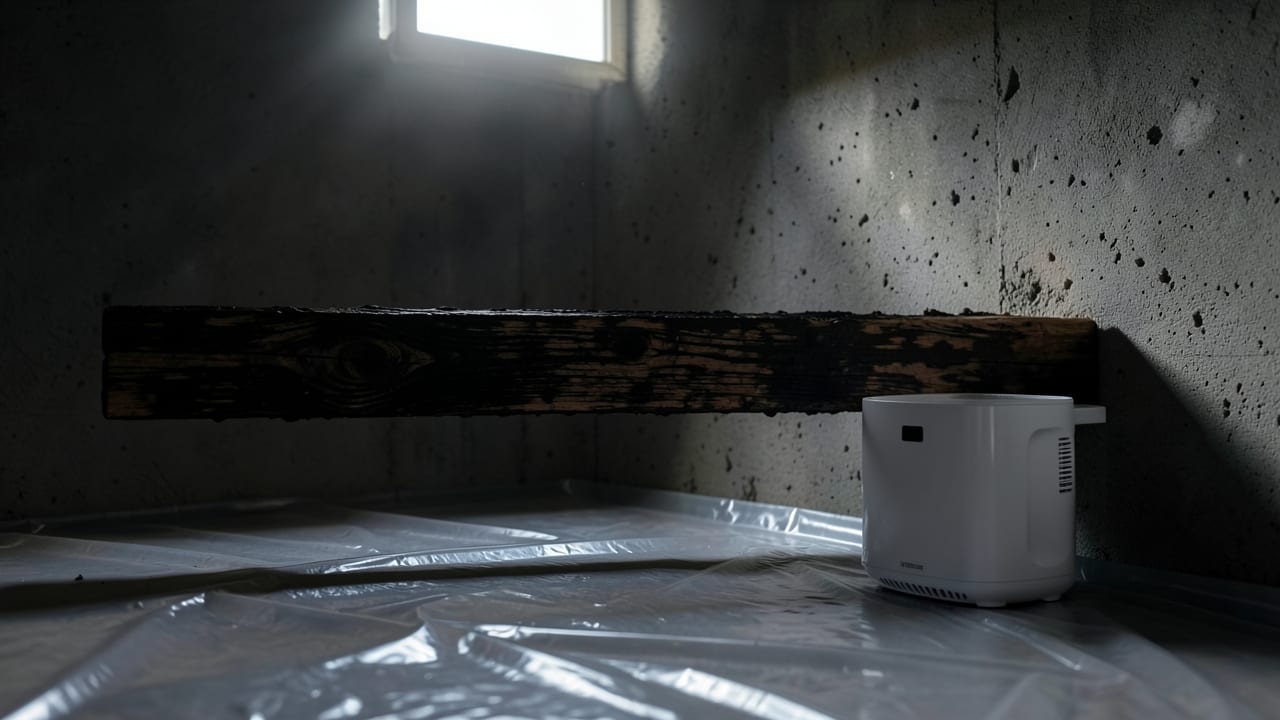
Fire Smoke Mold Remediation
Professional cleanup and restoration of fire, smoke, and mold damage in homes.
Fire, smoke, and mold damage in Vista homes often require professional remediation to restore safety and air quality. After a fire or water leak, hidden mold can spread quickly, while smoke residue lingers even after visible soot is gone.
Proper containment, removal, and drying prevent regrowth and ensure affected areas are fully restored to a healthy state.
We also handle Pre-Winter Mold Prevention and Spring Mold Inspection for Vista properties.
When to call for remediation
Mold growth covering more than a small patch—especially if it returns after cleaning—signals a need for professional help. In California, any mold covering 25 contiguous square feet typically requires a licensed contractor.
Musty odors with no visible mold often mean hidden growth in walls, under flooring, or inside ductwork, where it spreads through your home’s airflow.
Persistent dampness in windowless rooms, closets, or basements also creates ideal conditions for mold. If a fan or dehumidifier is needed to keep these areas dry even after remediation, the moisture source may still be active. Ignoring these signs can lead to recurring growth, making the problem worse over time.
Signs You Need Professional Remediation
- Mold covers more than a small, isolated patch (especially over 25 sq ft).
- Musty smell with no visible mold—growth may be hidden in walls, ducts, or under floors.
- Mold keeps returning in the same spot after cleaning.
- Dampness persists in windowless rooms, closets, or basements even after drying attempts.
- Smoke odor lingers after visible soot is removed, or surfaces feel sticky or discolored.
What affects cost and timeline?
The size of the affected area, type of materials (porous vs. non-porous), and whether hidden mold or structural damage is found all impact pricing. Smoke damage in Vista typically ranges between $240 and $1,440 per room, while mold remediation is priced separately based on square footage and contamination level.
Containment, clearance testing, and fixing moisture sources add to the total cost.
Timelines depend on drying requirements, containment setup, and whether additional repairs (like fixing leaks or improving airflow) are needed. Industrial dehumidifiers and air movers may run for days to fully dry framing before mold can be declared gone. Skipping proper drying or containment can lead to regrowth, extending the process.
What to watch for in your quote
Not all quotes cover the same steps, so compare carefully. Containment, clearance testing, and fixing moisture sources should be included—or at least disclosed as extras. A low bid that skips these steps may save money upfront but risk regrowth later.
Always ask for a written scope of work before signing anything, and confirm whether the contractor is licensed for the job under California’s $500+ threshold rule.
Hidden mold discovered during demolition can lead to unexpected costs. A reputable contractor will outline how change orders for additional work will be handled upfront. Post-remediation testing by an independent lab ensures the job meets safety standards, but this isn’t always included in basic quotes.
Avoid bids that: exclude containment or clearance testing, lack a written scope of work, or pressure you to sign during the inspection. Verbal estimates without itemized details make it impossible to compare fairly.
How fire/smoke/mold remediation works
Professional remediation follows strict steps to contain, remove, and restore affected areas safely.
- 1Containment
Plastic sheeting and negative-air machines seal off the work area to prevent spores from spreading to unaffected rooms. This step is critical—even a small tear in the barrier can turn a contained job into a larger problem.
- 2Removal
Porous materials like drywall, insulation, and carpet padding—absorbed with mold—are cut out and bagged inside containment. Non-porous surfaces (framing, tile) are scrubbed and treated instead of discarded.
- 3HEPA Filtration
HEPA air scrubbers run continuously during removal to capture spores, while HEPA vacuums clean surfaces. Standard shop vacuums or non-HEPA filters recirculate spores, worsening contamination.
- 4Structural Drying
Industrial dehumidifiers and air movers dry framing and subfloors to normal moisture levels before containment is removed. Mold regrows on damp material, even after visible traces are gone.
- 5Clearance Testing
An independent lab tests air or surfaces post-remediation to confirm spore counts are back to normal. Without this step, there’s no way to verify the job is complete.
Frequently asked questions
How do I know if my mold is bad enough to need professional help?
If mold covers more than a small patch (especially over 25 sq ft), keeps returning after cleaning, or you notice a musty smell with no visible growth, it’s time to call a professional. Hidden mold in walls or ducts often requires removal, not just surface cleaning.
Will fixing the mold also remove the smoke smell?
Smoke odor often lingers even after mold is removed because it penetrates porous materials like drywall and upholstery. Deodorization and deep cleaning are needed separately to fully eliminate smoke smells.
How long does the remediation process usually take?
Drying framing and subfloors can take days or weeks, depending on humidity and airflow. Containment, removal, and testing add to the timeline, but rushing these steps increases the risk of regrowth.
Do I need to be home during the process?
You can typically return once containment is secure, but avoid the work area until testing confirms it’s safe. Some contractors provide temporary air purifiers for nearby rooms during active work.
Where Vista sits, and what the Census lists nearby
Vista sits in California, and the closest places listed in the U.S. Census Gazetteer are Oceanside (4.6 miles northwest), Carlsbad (4.9 miles southwest), Lake San Marcos (5 miles south), San Marcos (5.6 miles southeast). Within 25 miles of Vista the same source lists 24 distinct incorporated places and census-designated places.
Those figures matter for fire smoke mold remediation because they are straight-line distances between Census coordinate points: road mileage between Vista and Oceanside runs longer than the 4.6 miles shown, which is why quotes for the same job differ between towns that look close together on a map.
Source: U.S. Census Bureau Gazetteer.
See Olivenhain, CA for more, or browse what we cover for Vista properties in one place for our complete lineup.
Ready to get started?
Talk to a local mold remediation pro in Vista — get a written quote.
Other Mold Remediation Services in Vista
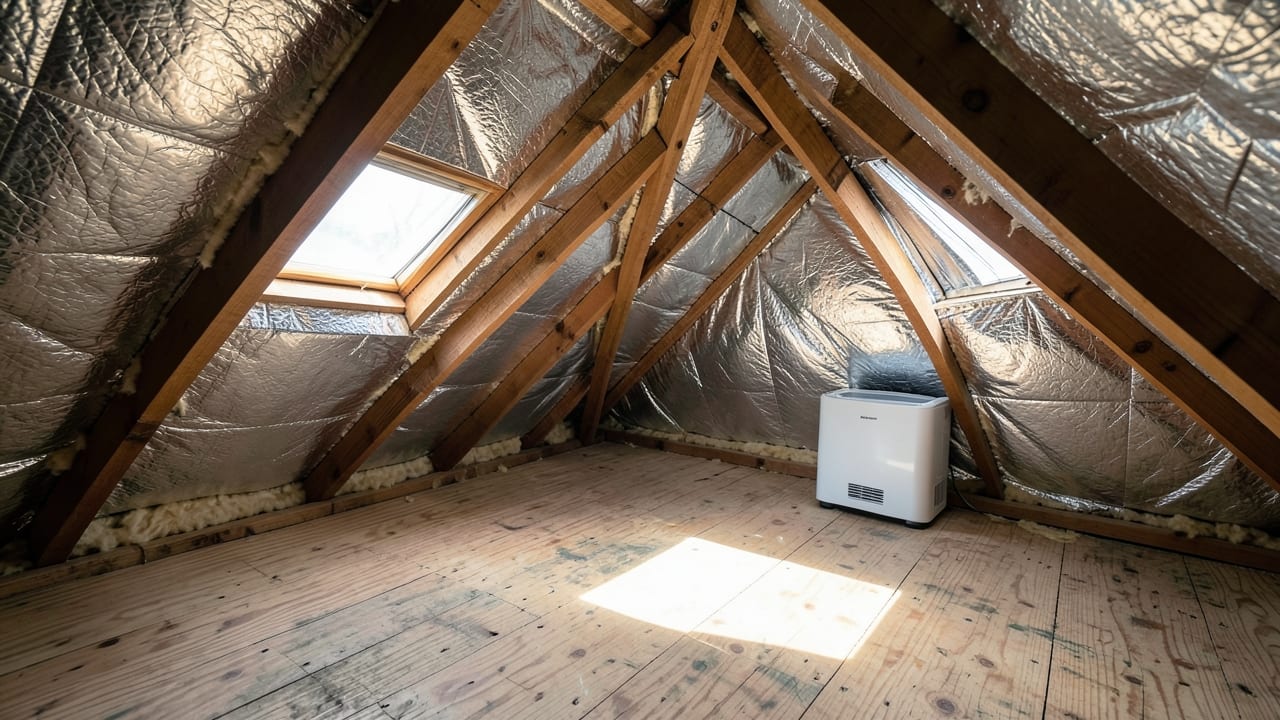
Pre-Winter Mold Prevention in Vista, CA
Pre-winter mold prevention involves inspection and treatment to stop mold growth before cold weather.
Learn More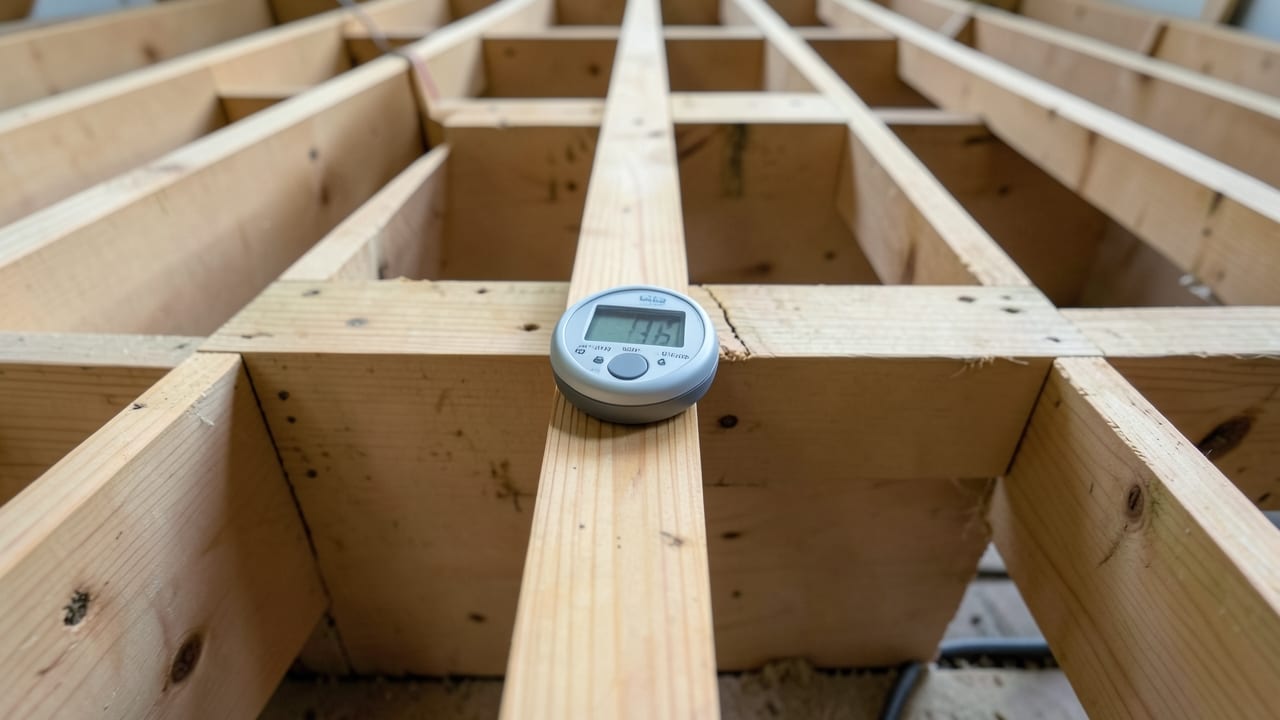
Spring Mold Inspection in Vista, CA
Professional assessment and identification of mold growth in homes.
Learn More
Move-In Mold Assessment in Vista, CA
Professional inspection and assessment of mold presence before moving into a property.
Learn More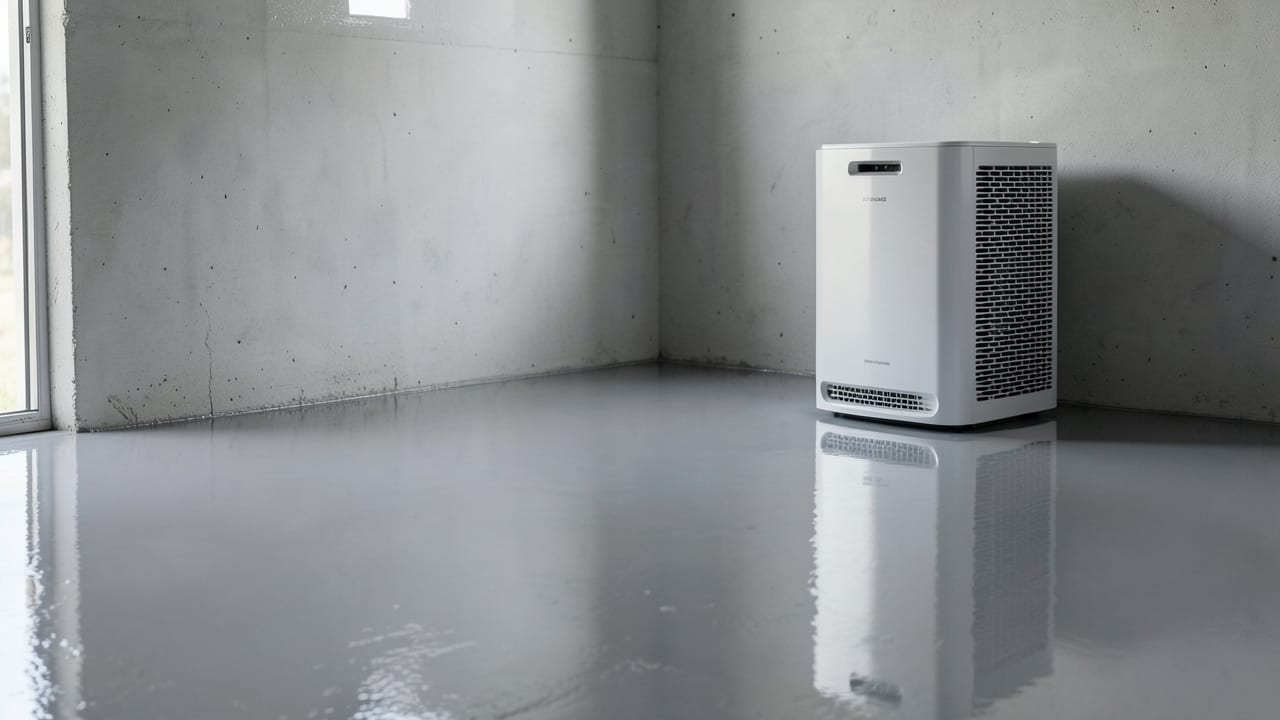
Post-Remediation Sealing in Vista, CA
Applying protective sealants to surfaces after mold remediation to prevent future growth.
Learn More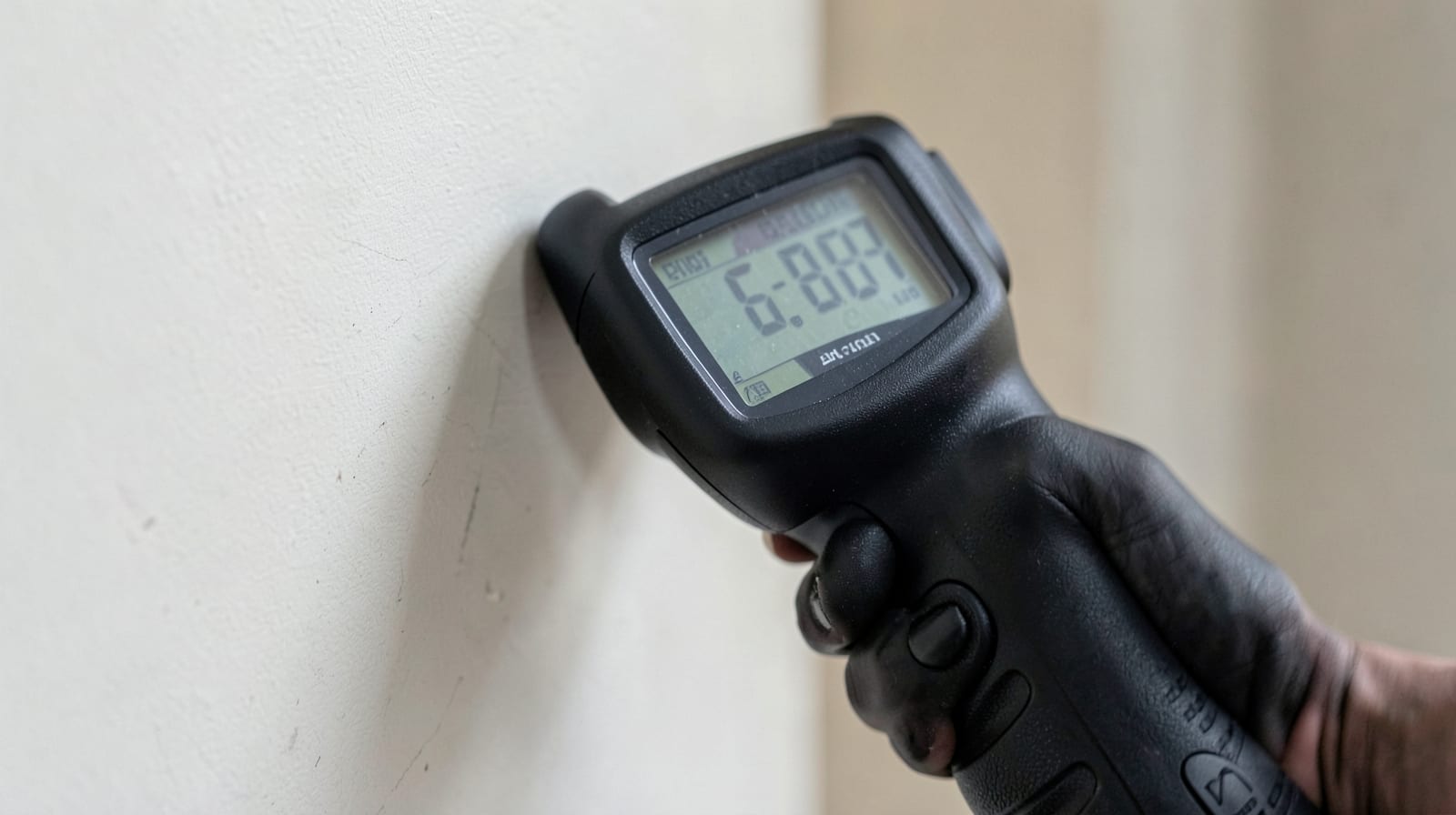
Mold Inspection in Vista, CA
Mold inspection in Vista, CA — a visual and moisture-meter assessment that finds the source of growth, not just the visible spot on the wall.
Learn More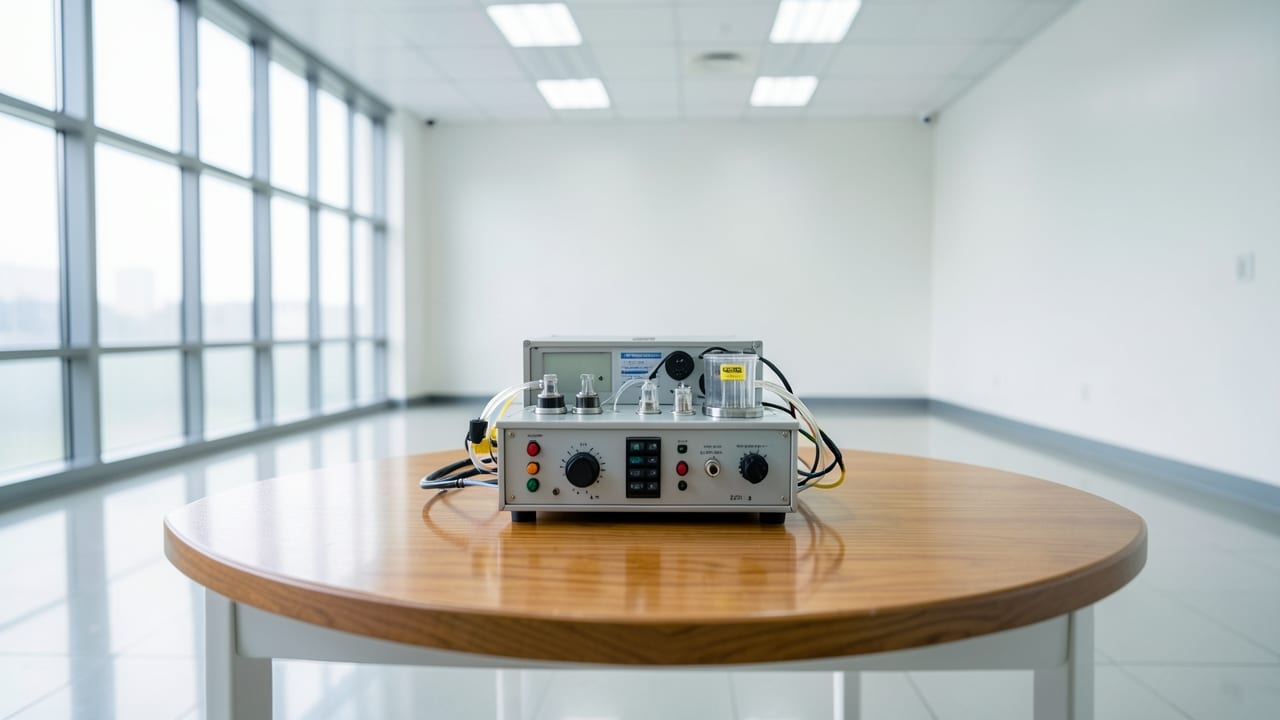
Mold Testing & Air Quality Testing in Vista, CA
Mold and indoor air quality testing in Vista, CA — lab-analyzed air and surface samples confirm what's actually growing and whether it's airborne.
Learn MoreCommon Questions About Mold Remediation in Vista
Everything you need to know about mold remediation services in Vista
How much does Fire Smoke Mold Remediation typically cost in Vista, CA?
Does coastal humidity around Vista, CA change how mold risk is assessed?
Does homeowners insurance typically cover mold remediation?
Is black mold actually more dangerous than other mold types?
How long does a typical mold remediation job take?
Is it safe to stay in the home during mold remediation?
Need Mold Remediation in Vista?
Connect with local providers in Vista for a detailed quote.
⏰ We answer your call • Serving all of Vista and surrounding areas