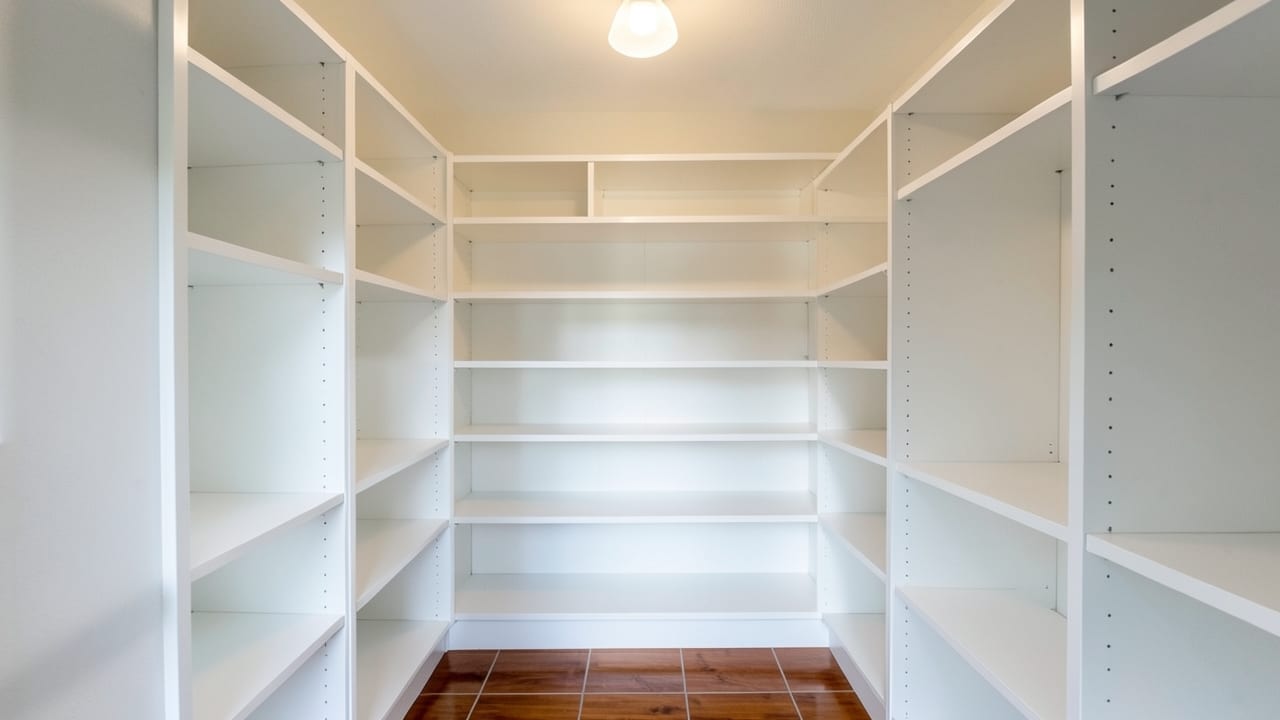
Closet Mold Cleanup
Professional cleanup and removal of mold from closets to restore safe, healthy spaces.
Closet mold cleanup in Vista, CA, targets hidden growth in walls, shelves, and stored items by sealing the area, removing contaminated materials, and treating surfaces to prevent regrowth. Proper containment and HEPA filtration are critical to avoid spreading spores to unaffected spaces.
This service is essential when mold covers more than a small area, returns after cleaning, or emits a musty odor without visible signs.
We also handle Hallway Mold Remediation and Condo Mold Remediation for Vista properties.
When closet mold cleanup is needed
Mold in closets often starts small but can quickly spread behind walls, under flooring, or into stored items. The most common signs are visible growth covering more than a few square inches, a musty smell with no visible mold, or repeated regrowth after cleaning.
If mold keeps returning in the same spot, it usually means the moisture source—like a leak or poor airflow—hasn’t been addressed.
Hidden mold behind drywall or under flooring often releases spores into the air, especially when the HVAC system runs. A persistent musty odor that worsens with the system on may indicate mold growing inside ductwork or in hard-to-reach areas.
In these cases, professional cleanup is necessary to safely remove the growth and prevent further contamination.
Signs You Need Professional Closet Mold Cleanup
- Mold growth covering more than 25 contiguous square feet (a common threshold for DIY vs. professional work).
- Repeated mold regrowth in the same spot after cleaning, suggesting an unresolved moisture issue.
- A musty odor with no visible mold, which often indicates hidden growth in walls, flooring, or ductwork.
- Visible black mold, which may require additional precautions and treatments compared to other mold types.
What affects pricing and timing
The cost of closet mold cleanup in Vista varies based on the size of the affected area, the type of mold, and the extent of material damage.
Surface-level mold on drywall or tile typically falls within a standard price range, while hidden growth or structural damage may require additional labor and materials. Black mold often adds 15-25% to the cost due to the need for specialized containment and treatment.
Timing depends on the scope of the job, including containment setup, removal of contaminated materials, drying, and clearance testing. Larger closets or those with extensive hidden mold may take longer to fully remediate.
Independent clearance testing is often performed afterward to confirm the space is safe, which may add a few days to the process.
Before and after: what to expect
Before cleanup begins, the work area is sealed off with plastic sheeting and negative-air machines to prevent spores from spreading. Porous materials like drywall or insulation that can’t be fully cleaned are removed and disposed of properly.
Non-porous surfaces, such as tile or metal framing, are scrubbed with specialized solutions and dried thoroughly.
After remediation, the area is tested for remaining spores to ensure the job is complete. If moisture issues were addressed, the risk of regrowth is reduced. However, monitoring humidity levels in the closet and ensuring proper airflow can help maintain long-term results.
Skipping containment or using non-HEPA equipment can spread spores to other parts of your home. Cleaning mold without fixing the moisture source almost always leads to regrowth within months. Always confirm the contractor uses proper containment, HEPA filtration, and clearance testing.
How closet mold cleanup works
This process ensures mold is removed safely and effectively while minimizing the risk of regrowth.
- 1Containment Setup
The closet is sealed off with plastic sheeting and negative-air machines to prevent spores from spreading to other areas of the home. This step is critical to avoid contaminating unaffected spaces.
- 2Removal of Contaminated Materials
Porous materials like drywall, insulation, or carpet padding that can’t be fully cleaned are cut out and bagged for disposal. Non-porous surfaces, such as tile or metal, are scrubbed and treated with antimicrobial solutions.
- 3HEPA Filtration and Cleaning
HEPA-filtered air scrubbers run continuously during the job to capture airborne spores. Surfaces are vacuumed with HEPA-equipped tools to ensure no spores are left behind in the air or on floors.
- 4Structural Drying
Industrial dehumidifiers and air movers are used to dry framing, subfloors, and other structural components to normal moisture levels. This step prevents mold from regrowing on damp materials.
- 5Clearance Testing
An independent lab tests the air or surfaces after remediation to confirm spore levels are back to normal. This step ensures the cleanup was effective and the space is safe to reoccupy.
Frequently asked questions
How do I know if my closet mold problem is serious enough to need professional help?
If the mold covers more than 25 square feet, keeps coming back after cleaning, or you notice a musty smell with no visible growth, it’s likely time for professional remediation. Hidden mold in walls or ductwork also requires expert attention to avoid spreading spores.
Will my stored items in the closet be ruined by mold?
Items like clothing, cardboard boxes, and fabrics may need to be discarded if they’ve absorbed mold. Non-porous items, such as metal or plastic, can often be cleaned and saved. A professional can assess which items are salvageable during the inspection.
How long does the entire closet mold cleanup process take?
The timeline varies depending on the size of the closet and the extent of the mold. Containment, removal, drying, and testing can take anywhere from a few hours to a few days. Larger or more complex jobs may require additional time for drying and clearance testing.
What should I do to prevent mold from coming back after cleanup?
Fix the moisture source—like a leak or poor ventilation—and use a dehumidifier or small fan to improve airflow in the closet. Regularly check for dampness and address any new issues immediately to keep mold from returning.
Where Vista sits, and what the Census lists nearby
Vista sits in California, and the closest places listed in the U.S. Census Gazetteer are Oceanside (4.6 miles northwest), Carlsbad (4.9 miles southwest), Lake San Marcos (5 miles south), San Marcos (5.6 miles southeast).
Within 25 miles of Vista the same source lists 24 distinct incorporated places and census-designated places.
Those figures matter for closet mold cleanup because they are straight-line distances between Census coordinate points: road mileage between Vista and Oceanside runs longer than the 4.6 miles shown, which is why quotes for the same job differ between towns that look close together on a map.
Source: U.S. Census Bureau Gazetteer.
See Temecula, CA for more, or explore how our Vista crew can help by category for our complete lineup.
Ready to get started?
Talk to a local mold remediation pro in Vista — get a written quote.
Other Mold Remediation Services in Vista
Hallway Mold Remediation in Vista, CA
Professional removal and treatment of mold growth in residential hallways.
Learn More
Condo Mold Remediation in Vista, CA
Professional removal and treatment of mold in condominiums to restore safe, healthy living spaces.
Learn More
Restaurant Mold Remediation in Vista, CA
Professional mold removal and remediation for restaurant spaces to ensure safety and compliance.
Learn More
Clinic Mold Remediation in Vista, CA
Professional mold removal and remediation to restore safe, healthy indoor spaces.
Learn More
Hotel Mold Remediation in Vista, CA
Professional removal and treatment of mold growth in hotel properties to restore safe, clean environments.
Learn More
Fire Smoke Mold Remediation in Vista, CA
Professional cleanup and restoration of fire, smoke, and mold damage in homes.
Learn MoreCommon Questions About Mold Remediation in Vista
Everything you need to know about mold remediation services in Vista
How much does Closet Mold Cleanup typically cost in Vista, CA?
Does coastal humidity around Vista, CA change how mold risk is assessed?
How does mold remediation actually prevent the problem from coming back?
Can mold growing inside HVAC ductwork spread to the rest of a home?
Does mold mean the same thing as mildew?
Does homeowners insurance typically cover mold remediation?
Need Mold Remediation in Vista?
Connect with local providers in Vista for a detailed quote.
⏰ We answer your call • Serving all of Vista and surrounding areas