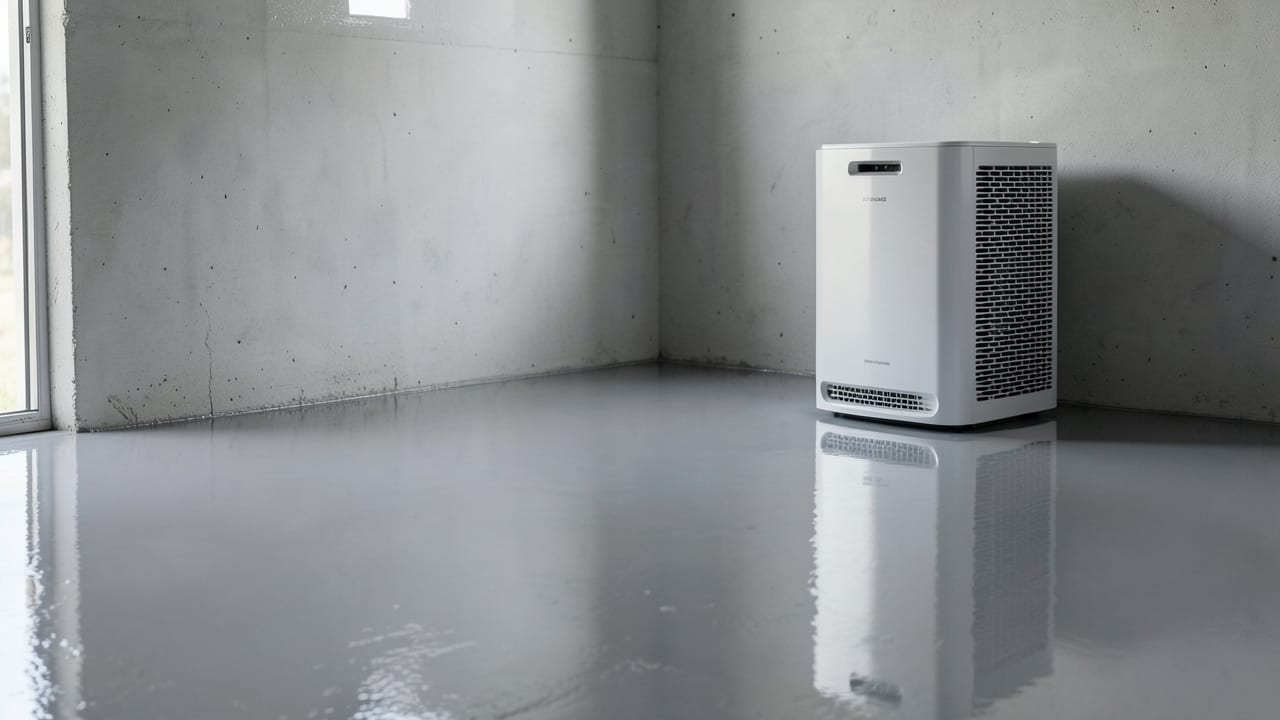
Post-Remediation Sealing
Applying protective sealants to surfaces after mold remediation to prevent future growth.
In Vista, CA, post-remediation sealing is a critical step after mold removal to protect treated areas from future moisture and regrowth. Specialized coatings create a barrier on surfaces, helping to maintain the effectiveness of the remediation work and prevent hidden mold from returning.
This process is tailored to residential properties in Vista and surrounding areas, ensuring long-term protection for your home.
We also handle Bathroom Mold Removal and Carpet Mold Treatment for Vista properties.
When post-remediation sealing is needed
Post-remediation sealing is recommended after mold removal when porous materials like drywall or insulation have been replaced, or when non-porous surfaces like framing or tile have been treated. This step helps ensure that the areas where mold was removed stay protected from moisture, which is the primary cause of regrowth.
Sealing is especially important in rooms with persistent dampness, such as basements, bathrooms, or closets with poor airflow.
If you’ve noticed mold covering more than a small, isolated patch—typically over 25 square feet—or if it keeps returning after cleaning, sealing is a key part of resolving the issue.
A musty smell without visible mold can also indicate hidden growth behind walls, under flooring, or inside ductwork, making sealing essential to prevent further spread.
Signs You May Need Post-Remediation Sealing
- Mold growth covering more than 25 square feet in one area (a threshold often used to determine when professional intervention is needed).
- Visible mold that returns within months after cleaning, suggesting an unresolved moisture source.
- A persistent musty odor in a room with no visible mold, indicating hidden growth behind walls or under flooring.
- Rooms that stay damp due to poor airflow, such as windowless bathrooms or basements, where moisture lingers even after remediation.
What affects the cost and process
The cost of post-remediation sealing in Vista varies based on the size of the treated area, the type of sealant used, and the condition of the surfaces being coated. Basic vapor barriers are less expensive than full encapsulation, which provides a more robust barrier against moisture.
The total cost also depends on whether additional steps like containment, drying, or clearance testing are required.
Timing can also be influenced by the need for structural drying, which may require industrial dehumidifiers and air movers to bring moisture levels down before sealing. Clearance testing, typically performed by an independent lab, adds to both time and cost but ensures the area is truly safe before sealing begins.
What to watch for in your quote
When comparing quotes for post-remediation sealing in Vista, look for clarity on what’s included. Containment, clearance testing, and moisture source fixes are often priced separately, so a low estimate that excludes these steps may not fully address the problem.
Always ask whether the quote covers inspection, remediation, and testing—or just part of it.
A written scope of work is essential to avoid surprises later. Without it, you won’t know if hidden mold is discovered during demolition, or if the moisture source was actually addressed. Third-party lab testing for clearance is another critical detail—without it, there’s no independent confirmation the job was fully effective.
| Red Flag in a Quote | Why It Matters |
|---|---|
| No mention of post-remediation clearance testing | Without testing, there’s no way to confirm the area is truly clear of mold. |
| Pressure to sign the contract during the inspection visit | A legitimate scope of work takes time to prepare; rushing may skip important details. |
| Vague area estimates (e.g., ‘whole basement’ instead of square footage) | Makes it difficult to compare bids accurately or know exactly what’s being treated. |
| Full payment requested before any work begins | Removes leverage if the job isn’t completed as promised. |
How post-remediation sealing works
This process follows mold removal to create a protective barrier against future moisture.
- 1Surface Preparation
After mold removal, surfaces are cleaned and dried to ensure the sealant adheres properly. Porous materials like drywall may be replaced, while non-porous surfaces like tile or framing are scrubbed and treated to remove residual spores.
- 2Application of Sealant
A specialized coating is applied to treated areas to create a moisture barrier. This step helps prevent future mold growth by inhibiting moisture absorption into the materials.
- 3Structural Drying (If Needed)
Industrial dehumidifiers and air movers may be used to dry framing or subfloors before sealing, ensuring moisture levels are within normal ranges to prevent regrowth.
- 4Clearance Testing
An independent lab tests air or surfaces to confirm spore counts are back to normal levels before the area is considered finished. This step is critical to verify the sealing was effective.
- 5Final Inspection
The sealed area is inspected to ensure the barrier is intact and no gaps remain. This helps maintain the long-term protection intended by the sealing process.
Frequently asked questions
How do I know if my home needs post-remediation sealing after mold removal?
Sealing is typically recommended if porous materials like drywall or insulation were replaced, or if non-porous surfaces were treated. It’s also needed if mold keeps returning in the same spot, indicating an unresolved moisture issue, or if there’s a musty smell with no visible mold, suggesting hidden growth.
Can I seal the area myself, or should I hire a professional?
While some sealants are available for DIY use, professional sealing ensures proper application and adherence to safety standards, especially after mold remediation. Professionals also handle containment and clearance testing, which are critical for long-term effectiveness.
How long does post-remediation sealing last?
The durability of sealing depends on the type of sealant used and the conditions of the treated area. Regular inspections and addressing any new moisture issues promptly can help the sealant last longer, but it’s not a permanent solution without ongoing maintenance.
Will sealing prevent mold from coming back if the moisture source isn’t fixed?
Sealing helps protect treated areas from moisture, but it doesn’t address the root cause of mold growth. If the moisture source—such as a leak or poor airflow—isn’t fixed, mold can still return in untreated areas or beneath the sealant over time.
Where Vista sits, and what the Census lists nearby
Vista sits in California, and the closest places listed in the U.S. Census Gazetteer are Oceanside (4.6 miles northwest), Carlsbad (4.9 miles southwest), Lake San Marcos (5 miles south), San Marcos (5.6 miles southeast).
Within 25 miles of Vista the same source lists 24 distinct incorporated places and census-designated places.
Those figures matter for post-remediation sealing because they are straight-line distances between Census coordinate points: road mileage between Vista and Oceanside runs longer than the 4.6 miles shown, which is why quotes for the same job differ between towns that look close together on a map.
Source: U.S. Census Bureau Gazetteer.
See Temecula, CA for more, or check out everything on offer in Vista by neighborhood for our complete lineup.
Ready to get started?
Talk to a local mold remediation pro in Vista — get a written quote.
Other Mold Remediation Services in Vista
Bathroom Mold Removal in Vista, CA
Professional assessment and removal of mold in bathrooms to restore a safe, clean environment.
Learn More
Carpet Mold Treatment in Vista, CA
Professional assessment and removal of mold growth from carpets to restore a safe indoor environment.
Learn More
Garage Mold Removal in Vista, CA
Professional assessment and removal of mold growth in garages to restore a safe, clean space.
Learn More
Plaster Mold Remediation in Vista, CA
Professional removal and treatment of mold from plaster surfaces in homes.
Learn More
Ceiling Mold Removal in Vista, CA
Professional removal of mold growth from ceilings, including containment and cleanup.
Learn More
Flood Damage Mold Remediation in Vista, CA
Professional mold removal and remediation after flood damage in homes.
Learn MoreCommon Questions About Mold Remediation in Vista
Everything you need to know about mold remediation services in Vista
How much does Post-Remediation Sealing typically cost in Vista, CA?
Does coastal humidity around Vista, CA change how mold risk is assessed?
Is it safe to stay in the home during mold remediation?
Can small mold problems be handled without hiring anyone?
What's the actual difference between mold removal and mold remediation?
Is a final clearance test part of a typical mold remediation job?
Need Mold Remediation in Vista?
Connect with local providers in Vista for a detailed quote.
⏰ We answer your call • Serving all of Vista and surrounding areas