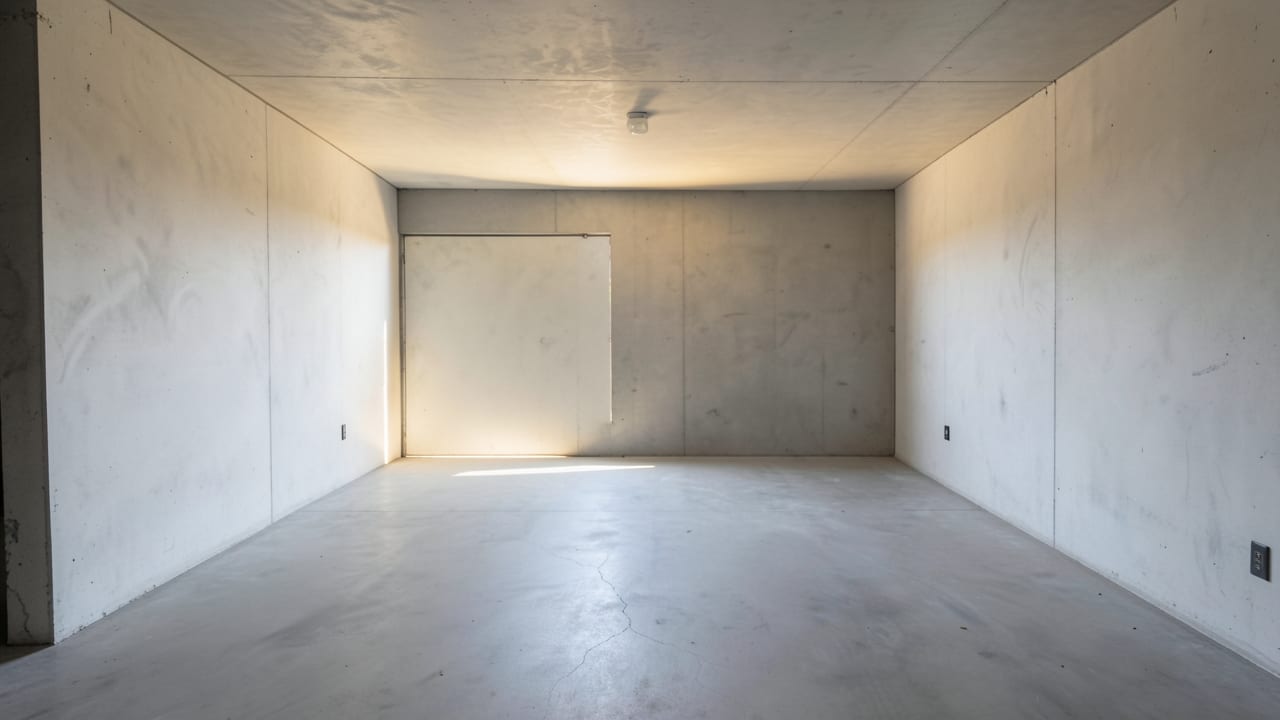
Garage Mold Removal
Professional assessment and removal of mold growth in garages to restore a safe, clean space.
Garage mold removal in Vista addresses hidden colonies that thrive in damp, poorly ventilated spaces like garages, where moisture from leaks, condensation, or poor drainage creates ideal growth conditions.
The process involves containment, safe removal of affected materials, and thorough cleaning to prevent regrowth—ensuring the space is restored to a healthy state without spreading spores to other areas of your home.
We also handle Crawl Space & Basement Mold Remediation and Attic Mold Remediation for Vista properties.
When garage mold removal is needed
Mold in your garage often starts small but can quickly become a larger problem if ignored. Visible signs like black, green, or brown spots on walls, floors, or stored items are the most obvious indicators, but hidden growth—behind drywall, under flooring, or inside ductwork—can also signal a deeper issue.
A musty smell, especially when the HVAC system runs, often points to mold hidden from view.
If mold covers more than a small, isolated patch (typically over 25 square feet), or if it keeps returning after cleaning, professional removal is recommended. DIY methods may temporarily address surface mold but often fail to eliminate hidden colonies or fix the moisture source, leading to regrowth.
Addressing the root cause—such as leaks, poor ventilation, or grading issues—is critical to preventing future problems.
Signs You Need Professional Garage Mold Removal
- Mold covering more than a small, isolated patch (over 25 square feet).
- A musty smell that persists or worsens when the HVAC system is on.
- Visible mold returning in the same spot after cleaning.
- Hidden moisture sources, such as leaks behind drywall or under flooring.
- Mold growing on stored items or structural materials like wood framing.
What affects cost and timeline
The cost and duration of garage mold removal depend on the extent of contamination, the materials affected, and whether hidden moisture sources need to be addressed. Surface-level mold on non-porous materials like tile or concrete typically requires less time and effort than deep-seated growth in drywall or insulation.
Removing porous materials—such as carpet padding or insulation—often increases both cost and cleanup time due to disposal requirements.
Additional factors, like the need for structural drying or clearance testing, can also impact the final price. While some jobs may be completed in a single day, larger or more complex remediations may take several days to ensure thorough containment, removal, and drying.
Always request a detailed scope of work to understand what is included in the estimate.
What to expect during remediation
Professional garage mold removal follows a structured process to ensure safety and effectiveness. The work area is sealed off using plastic sheeting and negative-air machines to prevent spores from spreading to other parts of your home.
Porous materials that cannot be cleaned—such as drywall or insulation—are removed and disposed of properly, while non-porous surfaces are scrubbed and treated.
After removal, industrial dehumidifiers and air movers are used to dry the structure thoroughly, as lingering moisture can lead to regrowth. Finally, an independent clearance test confirms that spore levels are back to normal before the containment is removed.
This step ensures the job is complete and reduces the risk of recurrence.
Skipping containment or using non-HEPA equipment can spread spores beyond the affected area. Removing mold without fixing the moisture source—such as a leak or poor ventilation—often leads to regrowth. Always verify that the contractor includes containment, HEPA filtration, and clearance testing in their process.
How garage mold removal works
- 1Containment Setup
The work area is sealed off with plastic sheeting and negative-air machines to prevent spores from spreading to other parts of your home. This step ensures that any disturbed spores remain contained during removal.
- 2Material Removal and Cleaning
Porous materials like drywall, insulation, or carpet padding that cannot be cleaned are removed and disposed of properly. Non-porous surfaces, such as concrete or tile, are scrubbed and treated with antimicrobial solutions to kill remaining spores.
- 3Structural Drying
Industrial dehumidifiers and air movers are used to dry the framing, subfloor, and other structural materials to normal moisture levels. This step is critical to prevent mold from regrowing on damp surfaces.
- 4HEPA Filtration and Cleanup
HEPA-filtered air scrubbers and vacuums are used throughout the process to capture airborne spores. Surfaces are vacuumed with HEPA equipment to ensure no spores are recirculated into the air.
- 5Clearance Testing
An independent lab conducts air or surface sampling to confirm that spore levels are back to normal. This test verifies that the remediation was effective before the containment is removed.
Frequently asked questions
How do I know if my garage mold is severe enough to require professional removal?
If mold covers more than a small, isolated patch (typically over 25 square feet), returns after cleaning, or is accompanied by a musty smell—especially when the HVAC runs—it’s likely time for professional removal. Hidden moisture sources, like leaks behind walls, also indicate a deeper issue that requires expert attention.
Will my garage be safe to use after mold removal?
Once containment is removed and clearance testing confirms spore levels are normal, the space is typically safe to use. However, addressing the moisture source—such as fixing leaks or improving ventilation—is essential to prevent future growth. Always follow the contractor’s recommendations for post-remediation care.
How long does it take to complete garage mold removal?
The timeline varies depending on the scope of the job, but most garage remediations take 1–3 days. Larger or more complex jobs may require additional time for drying and testing. A detailed scope of work will provide a clearer estimate for your specific situation.
Do I need to be home during the mold removal process?
You typically don’t need to be present, but some contractors may ask you to vacate the garage or adjacent areas during containment setup. Always confirm the requirements with your contractor to ensure a smooth process.
Where Vista sits, and what the Census lists nearby
Vista sits in California, and the closest places listed in the U.S. Census Gazetteer are Oceanside (4.6 miles northwest), Carlsbad (4.9 miles southwest), Lake San Marcos (5 miles south), San Marcos (5.6 miles southeast).
Within 25 miles of Vista the same source lists 24 distinct incorporated places and census-designated places.
Those figures matter for garage mold removal because they are straight-line distances between Census coordinate points: road mileage between Vista and Oceanside runs longer than the 4.6 miles shown, which is why quotes for the same job differ between towns that look close together on a map.
Source: U.S. Census Bureau Gazetteer.
See Carlsbad, CA for more, or browse every option available in Vista side by side for our complete lineup.
Ready to get started?
Talk to a local mold remediation pro in Vista — get a written quote.
Other Mold Remediation Services in Vista
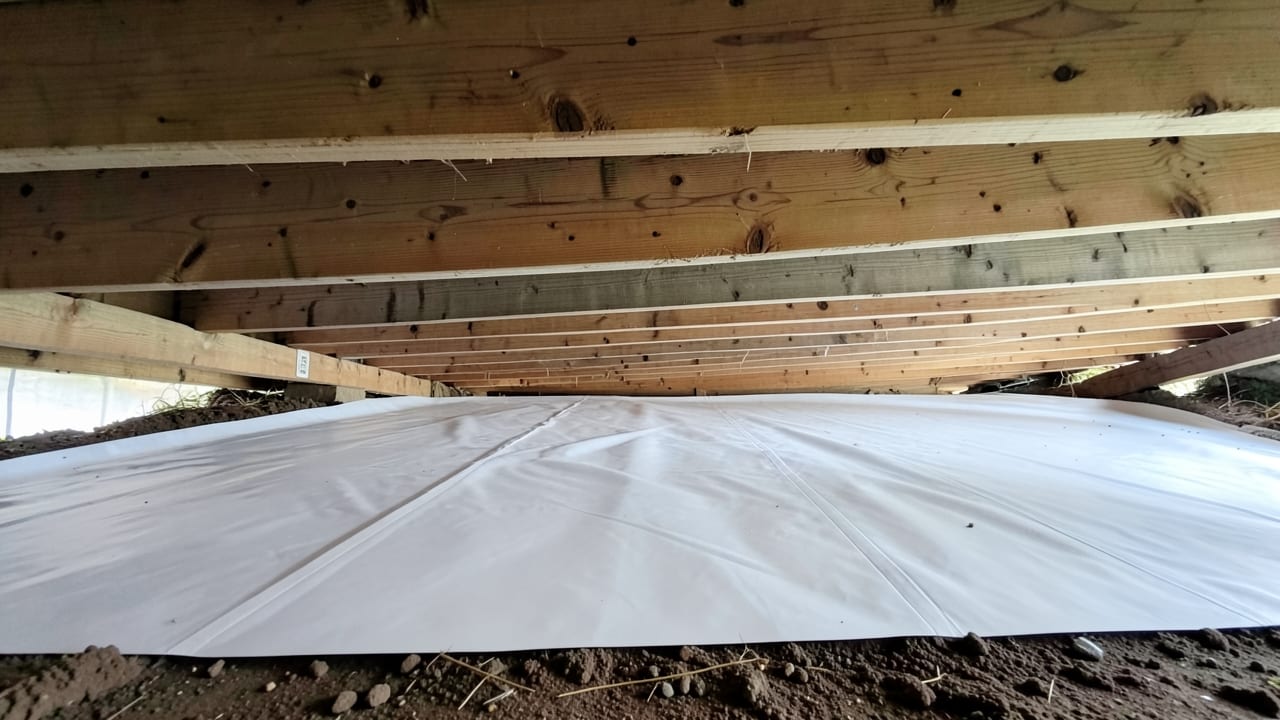
Crawl Space & Basement Mold Remediation in Vista, CA
Crawl space and basement mold remediation in Vista, CA addresses the two areas of a property most prone to trapped, unnoticed moisture.
Learn More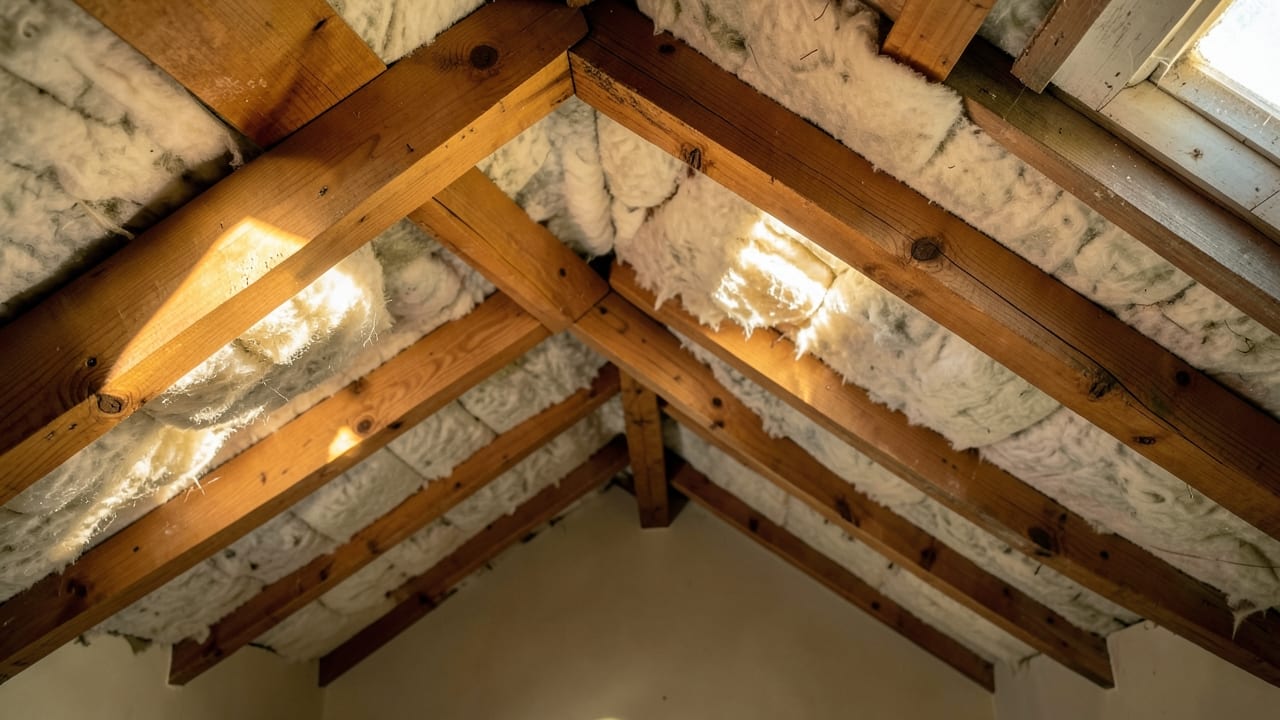
Attic Mold Remediation in Vista, CA
Attic mold remediation in Vista, CA addresses roof-deck growth typically caused by poor ventilation or a hidden roof leak.
Learn More
Commercial Mold Remediation in Vista, CA
Commercial mold inspection and remediation in Vista, CA for offices, retail space, and multi-unit properties, scheduled around business operations.
Learn More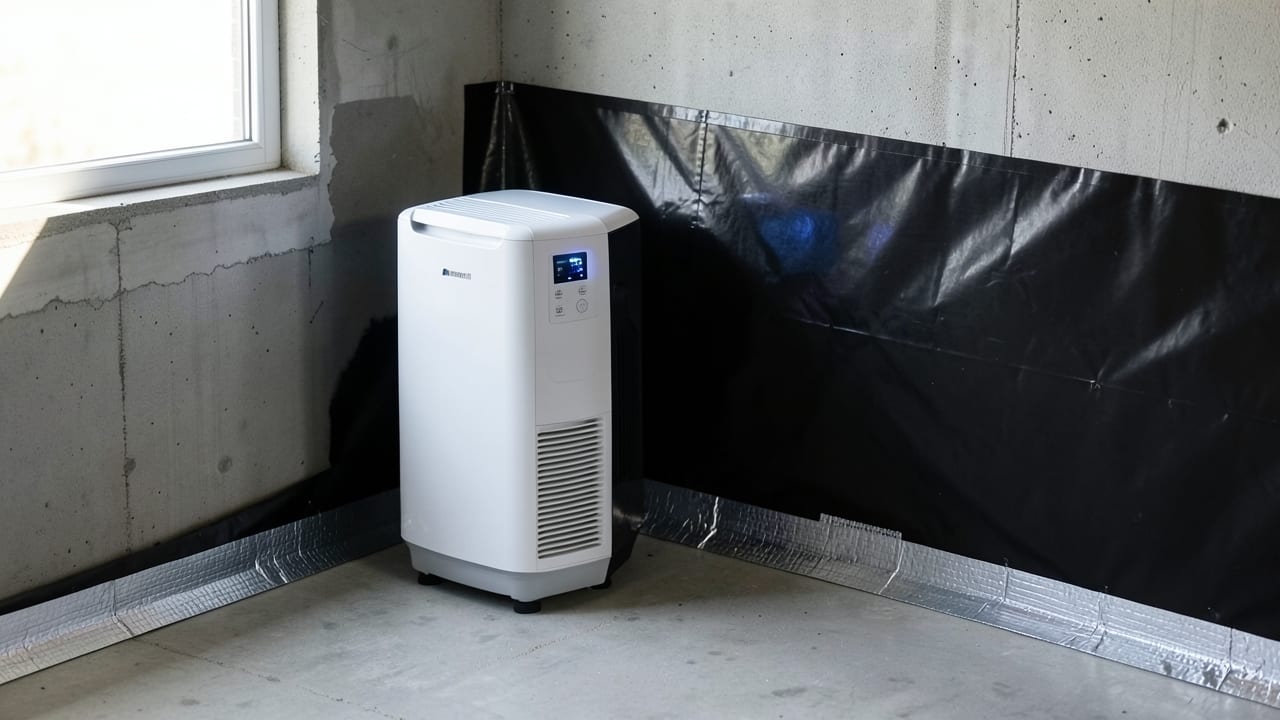
Mold Prevention & Moisture Control in Vista, CA
Mold prevention and moisture control in Vista, CA — addressing ventilation, humidity, and drainage before growth starts, not after.
Learn More
Mold & Asbestos Testing in Vista, CA
Combined mold and asbestos testing in Vista, CA — one inspection visit, lab-verified results for both.
Learn More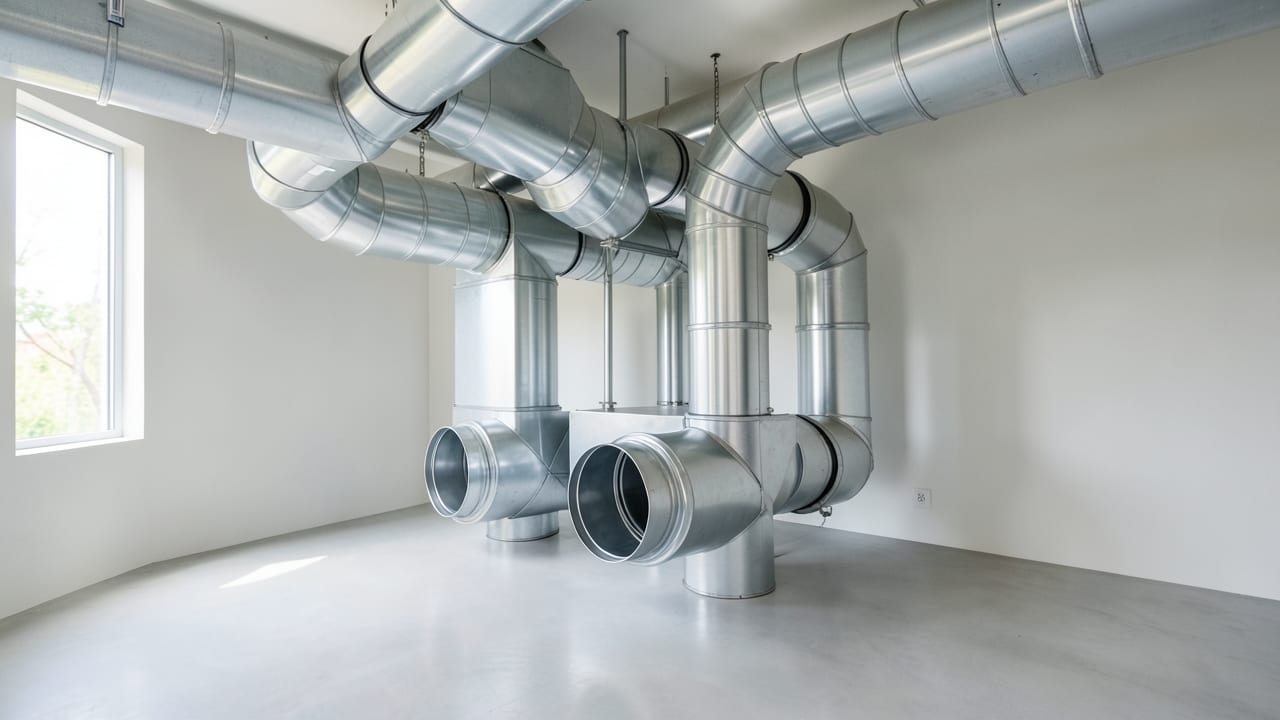
HVAC Mold Remediation in Vista, CA
HVAC and ductwork mold remediation in Vista, CA — mold growing inside the air handler or duct system, spreading through every vent.
Learn MoreCommon Questions About Mold Remediation in Vista
Everything you need to know about mold remediation services in Vista
How much does Garage Mold Removal typically cost in Vista, CA?
Does coastal humidity around Vista, CA change how mold risk is assessed?
Is a final clearance test part of a typical mold remediation job?
How does mold remediation actually prevent the problem from coming back?
Can mold growing inside HVAC ductwork spread to the rest of a home?
Does mold mean the same thing as mildew?
Need Mold Remediation in Vista?
Connect with local providers in Vista for a detailed quote.
⏰ We answer your call • Serving all of Vista and surrounding areas