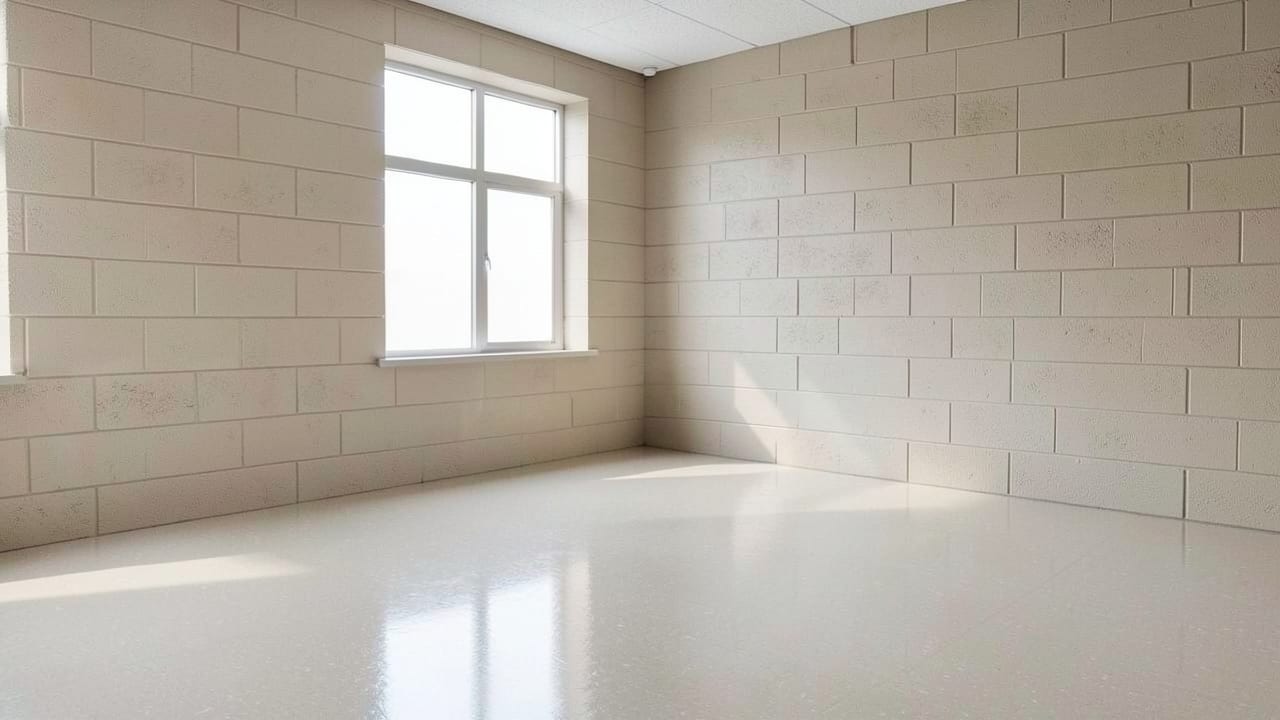
School Mold Remediation
Professional mold removal and remediation in schools to ensure a safe, healthy environment.
Schools in Vista, CA, face unique challenges with mold growth due to high humidity, frequent use, and older building materials. Mold remediation in educational facilities requires specialized containment, removal, and drying techniques to ensure safety for students and staff.
Proper remediation prevents health risks and structural damage, restoring indoor air quality to acceptable levels.
We also handle Crawl Space & Basement Mold Remediation and Attic Mold Remediation for Vista properties.
When mold in schools needs professional remediation
Mold in schools often goes unnoticed until it spreads beyond a small patch. Visible growth covering more than 25 square feet, recurring mold after cleaning, or a persistent musty odor—especially when the HVAC system runs—are clear signs the problem requires professional attention.
Hidden mold behind walls, under floors, or inside ductwork can also spread spores throughout the building if not addressed properly.
Schools with poor airflow, like windowless classrooms or storage closets, are particularly vulnerable. Without fixing the moisture source—such as leaks, condensation, or grading issues—the mold will likely return. Professional remediation includes containment, removal, drying, and clearance testing to ensure the issue is resolved.
Signs Professional Remediation Is Needed
- Mold covers more than 25 contiguous square feet (California’s threshold for DIY vs. professional work).
- Mold keeps returning in the same spot after cleaning, indicating an unresolved moisture issue.
- A musty smell persists even after visible mold is removed, suggesting hidden growth.
- The odor worsens when the HVAC system is on, pointing to mold in ductwork or vents.
- Students or staff report respiratory issues or allergies that improve when away from the school.
What affects pricing and timeline for school mold remediation
Pricing for school mold remediation varies based on the size of the affected area, the complexity of containment, and whether the facility can remain operational during the work.
Schools with strict documentation or containment requirements—such as those with sensitive environments—may incur higher costs. Phased scheduling or after-hours work also adds to labor expenses.
The timeline depends on the extent of the mold, the need for structural drying, and clearance testing. Larger schools or those with extensive hidden mold may require multiple days of containment and remediation. A post-remediation test confirms the work is complete, but this step is often priced separately.
Why containment and clearance testing matter
Containment prevents mold spores from spreading to unaffected areas during removal. Plastic sheeting and negative-air machines seal the work zone, while HEPA air scrubbers and vacuums capture spores that would otherwise recirculate. Skipping these steps risks turning a small job into a building-wide contamination issue.
Clearance testing by an independent lab ensures the remediation was effective. Without it, there’s no way to confirm whether the mold has been fully removed or if spores remain in the air or on surfaces. This step is critical for schools, where ongoing exposure poses health risks.
A torn plastic barrier, an open door, or improper negative air pressure lets spores drift into clean areas, expanding the contamination. Always verify containment is intact before work begins.
How school mold remediation works
Remediation follows strict protocols to safely remove mold and prevent regrowth.
- 1Containment Setup
Plastic sheeting and negative-air machines seal the affected area to trap spores. This prevents cross-contamination while work proceeds.
- 2Mold Removal
Porous materials like drywall and carpet padding are cut out and bagged, while non-porous surfaces are scrubbed and treated. HEPA vacuums and air scrubbers run continuously to capture airborne spores.
- 3Structural Drying
Industrial dehumidifiers and air movers reduce moisture in framing and subfloors to prevent mold regrowth. Proper drying is essential for long-term results.
- 4Clearance Testing
An independent lab tests air and surfaces to confirm spore levels are within safe limits before containment is removed.
Frequently asked questions
How do I know if mold in my child’s school is dangerous?
Visible mold covering large areas, recurring growth, or a persistent musty odor are red flags. Hidden mold in ducts or walls can also pose risks. If you suspect exposure, request a professional inspection and clearance test.
Can mold in schools be removed without closing the building?
Some remediation can proceed with phased scheduling or after-hours work, but full containment often requires temporary closures. The school may coordinate with local authorities to minimize disruptions.
Will mold come back if only the visible growth is removed?
Yes, if the moisture source—like a leak or poor ventilation—isn’t fixed. Professional remediation includes addressing the root cause to reduce the risk of recurrence.
How long does it take to remediate mold in a school?
Timelines vary by size and complexity, but containment, removal, and drying typically take 2–5 days. Clearance testing may add an extra day or more.
Where Vista sits, and what the Census lists nearby
Vista sits in California, and the closest places listed in the U.S. Census Gazetteer are Oceanside (4.6 miles northwest), Carlsbad (4.9 miles southwest), Lake San Marcos (5 miles south), San Marcos (5.6 miles southeast).
Within 25 miles of Vista the same source lists 24 distinct incorporated places and census-designated places.
Those figures matter for school mold remediation because they are straight-line distances between Census coordinate points: road mileage between Vista and Oceanside runs longer than the 4.6 miles shown, which is why quotes for the same job differ between towns that look close together on a map.
Source: U.S. Census Bureau Gazetteer.
See Jesmond Dene, CA for more, or take a look at the rest of our Vista lineup in one place for our complete lineup.
Ready to get started?
Talk to a local mold remediation pro in Vista — get a written quote.
Other Mold Remediation Services in Vista
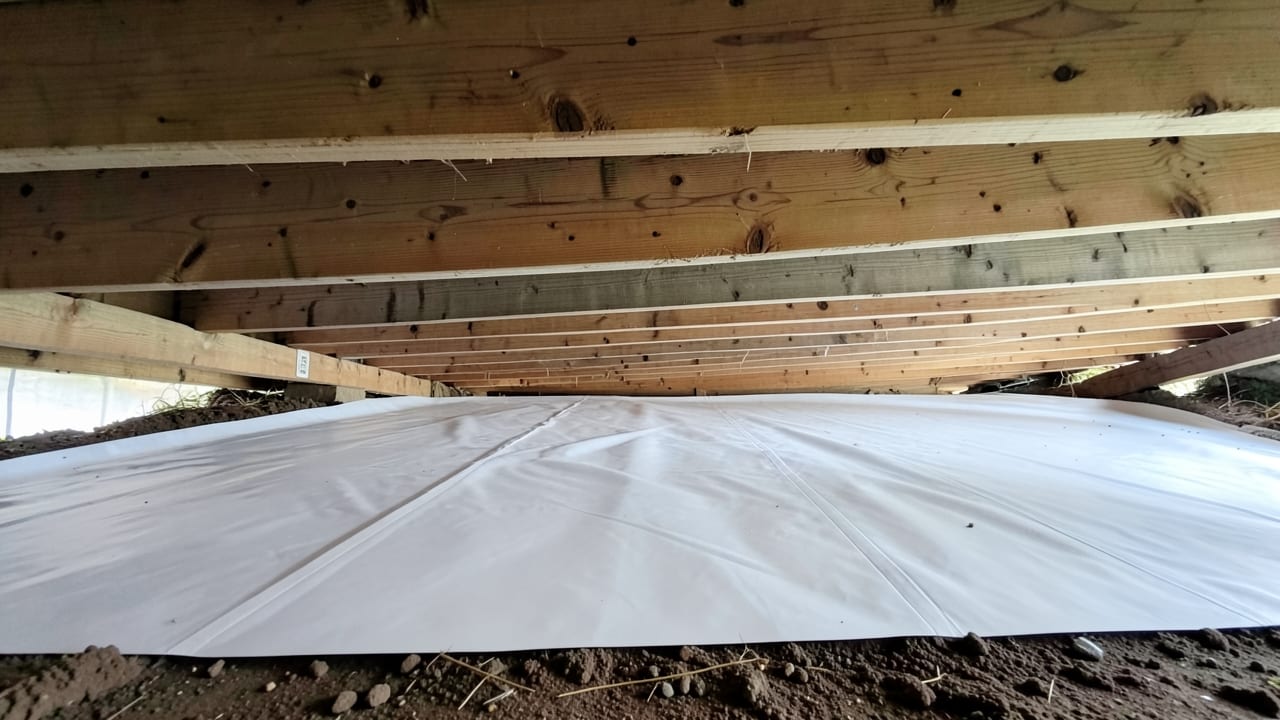
Crawl Space & Basement Mold Remediation in Vista, CA
Crawl space and basement mold remediation in Vista, CA addresses the two areas of a property most prone to trapped, unnoticed moisture.
Learn More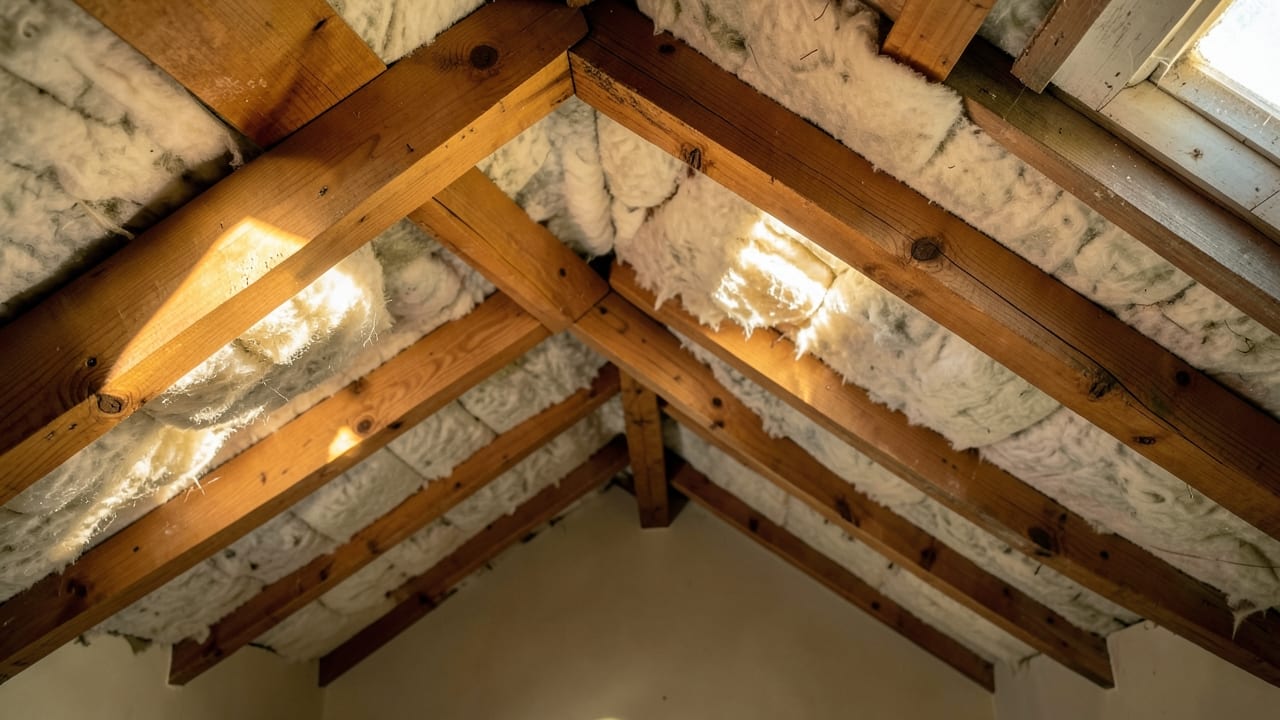
Attic Mold Remediation in Vista, CA
Attic mold remediation in Vista, CA addresses roof-deck growth typically caused by poor ventilation or a hidden roof leak.
Learn More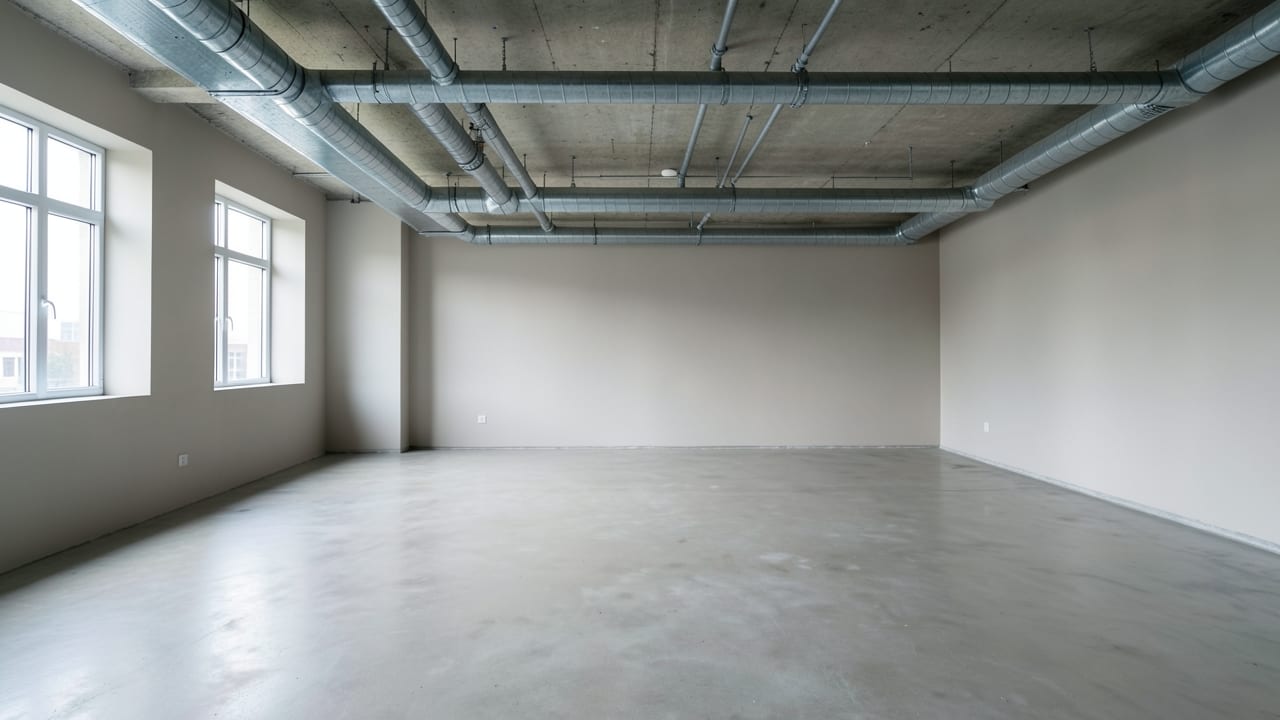
Commercial Mold Remediation in Vista, CA
Commercial mold inspection and remediation in Vista, CA for offices, retail space, and multi-unit properties, scheduled around business operations.
Learn More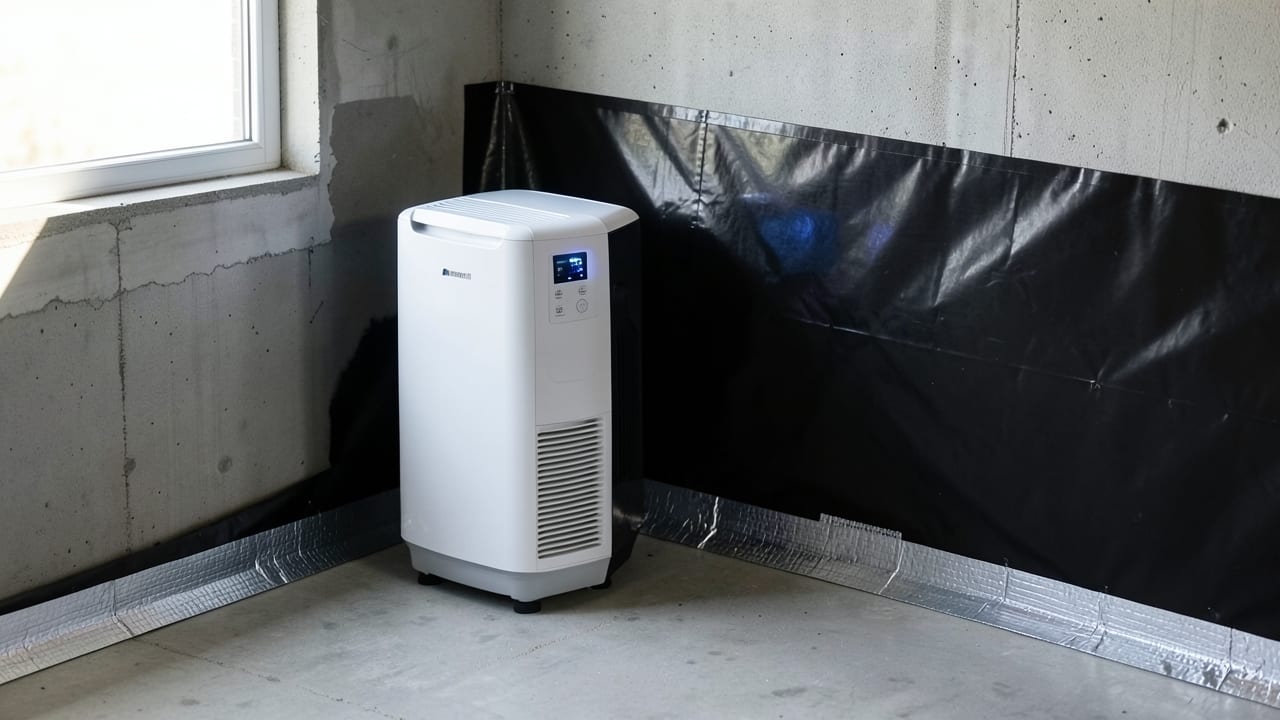
Mold Prevention & Moisture Control in Vista, CA
Mold prevention and moisture control in Vista, CA — addressing ventilation, humidity, and drainage before growth starts, not after.
Learn More
Mold & Asbestos Testing in Vista, CA
Combined mold and asbestos testing in Vista, CA — one inspection visit, lab-verified results for both.
Learn More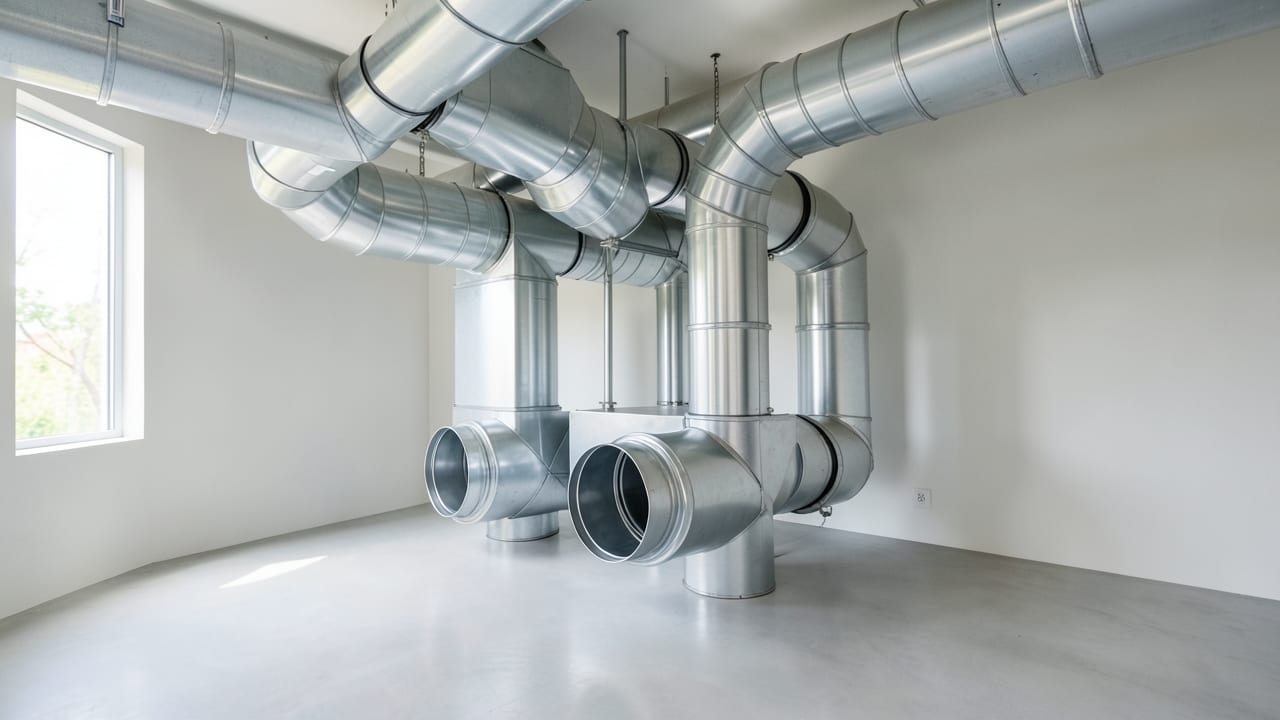
HVAC Mold Remediation in Vista, CA
HVAC and ductwork mold remediation in Vista, CA — mold growing inside the air handler or duct system, spreading through every vent.
Learn MoreCommon Questions About Mold Remediation in Vista
Everything you need to know about mold remediation services in Vista
How much does School Mold Remediation typically cost in Vista, CA?
Does coastal humidity around Vista, CA change how mold risk is assessed?
How long does a typical mold remediation job take?
Is it safe to stay in the home during mold remediation?
Can small mold problems be handled without hiring anyone?
What's the actual difference between mold removal and mold remediation?
Need Mold Remediation in Vista?
Connect with local providers in Vista for a detailed quote.
⏰ We answer your call • Serving all of Vista and surrounding areas